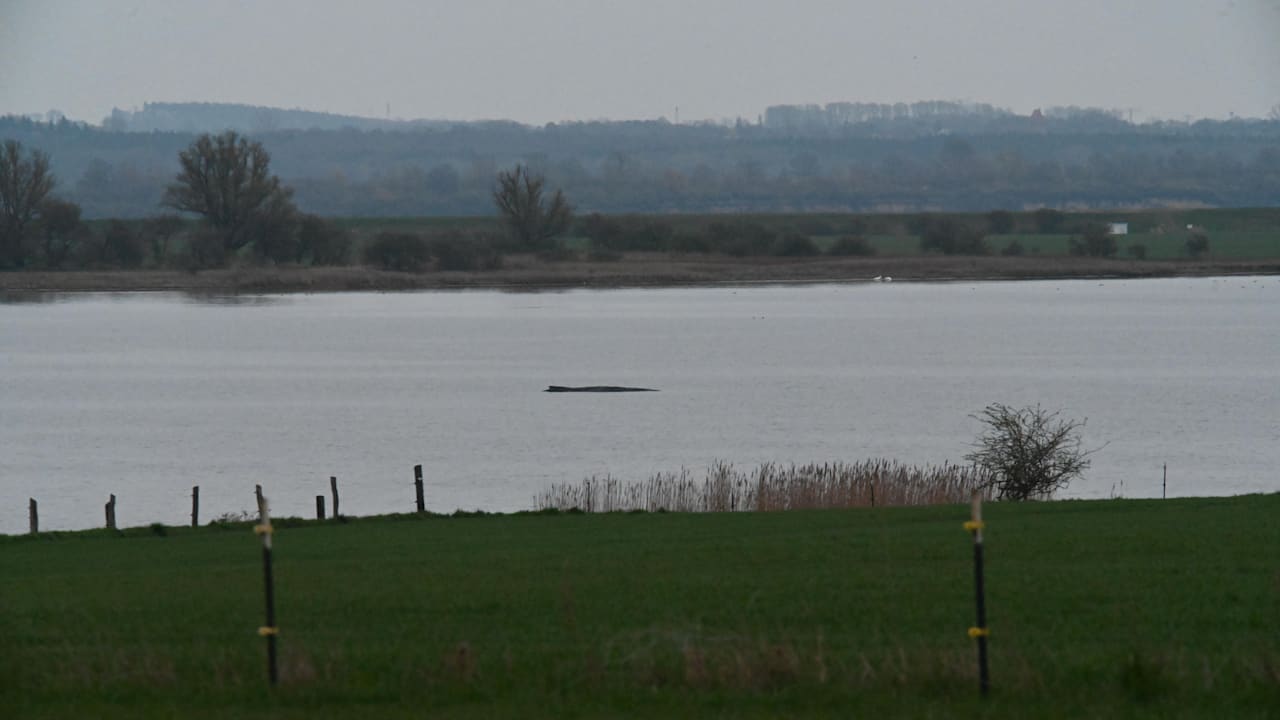
Tragedy in the Baltic: Bundeswehr Mine Blasts Linked to 18 Porpoise Deaths in Protected Zone
The serene waters of the Fehmarnbelt, a designated marine protected area in the Baltic Sea, were shattered in late August [year, inferred to be 2019 from the source date], as a Bundeswehr (German Armed Forces) mine-clearing operation reportedly led to the deaths of 18 critically endangered harbour porpoises. This devastating incident has sparked outrage among environmental groups and lawmakers, raising serious questions about the military's operational protocols within sensitive ecological zones and the true cost of maritime security. The connection between the explosive detonations and the significant number of
porpoise deaths in Fehmarnbelt appears increasingly likely, casting a dark shadow over the German military's environmental responsibility.
The Incident: Mines, Manoeuvres, and Marine Life in the Baltic Sea
The controversy stems from a large-scale NATO marine exercise, "Northern Coast," which involved approximately 50 vessels and 3,000 soldiers from 18 nations. As a precursor to the main exercise, the Bundeswehr Marine undertook the critical task of clearing unexploded ordnance (UXO) – specifically, 42 British ground mines from World War I. A staggering 39 of these historical relics were detonated within the Fehmarnbelt marine protected area, a vital habitat for the Baltic Sea’s fragile population of harbour porpoises (*Phocoena phocoena*).
The timing of these blasts, occurring in late August, is particularly crucial. This period coincides with the porpoises' crucial breeding season, making the marine environment even more sensitive to disturbances. Harbour porpoises rely heavily on sound for navigation, communication, and hunting. The immense concussive forces and intense noise generated by underwater mine detonations can cause severe internal injuries, acoustic trauma (rupturing eardrums or damaging sensory organs), disorientation, and even direct mortality from the pressure wave. For a species already struggling against various threats including bycatch, pollution, and dwindling food sources, such an event represents a catastrophic blow.
According to initial reports, the Bundeswehr initially attempted to defuse some of the mines. However, one detonated unexpectedly, prompting the explosive ordnance disposal unit to withdraw due to the heightened risk. Bundeswehr officials explained that the explosives within these century-old mines had likely crystallized over time, making them extremely volatile and susceptible to detonation even from minor vibrations. While the danger to personnel is undeniable, the ecological consequences of proceeding with underwater detonations in a protected marine environment demand a far more cautious approach.
Ecological Fallout and the Plight of the Baltic Porpoises
The Baltic Sea is home to a genetically distinct and critically endangered subpopulation of harbour porpoises. Their numbers have plummeted dramatically over the past century, with estimates suggesting only a few hundred individuals remain. This makes every single porpoise death an irreplaceable loss, pushing the species closer to extinction in this region. The Fehmarnbelt itself is a crucial area for these animals, serving as a feeding ground and a migratory corridor between the Baltic and North Seas. Its status as a marine protected area is specifically intended to safeguard such vulnerable species and their habitats from human impact.
The reported deaths of 18 porpoises following the Bundeswehr operation represent a significant portion of this already struggling population. For context, the estimated population of Baltic Proper harbour porpoises is alarmingly low, potentially numbering in the mere hundreds. Losing such a substantial number of individuals in a single incident is nothing short of an ecological disaster, potentially setting back conservation efforts by decades. The main keyword "Wal Ostsee Tot" (Whale Baltic Sea Dead) sadly echoes the grim reality faced by these marine mammals. This incident highlights the profound impact human activities, even those deemed necessary for safety or security, can have on delicate ecosystems.
Environmental organizations, including NABU (Nature and Biodiversity Conservation Union), have vociferously condemned the actions. Kim Cornelius Detloff, head of marine conservation at NABU, expressed profound anger: "
Outrage: Bundeswehr Mine Clearing Ignored Baltic Sea Marine Protection. The detonations in the marine protected area ignore applicable nature conservation law. They also demonstrate the inadequate environmental standards of the Navy and the complete failure of politics." This sentiment underscores a broader concern: whether military operations are adequately screened and regulated to prevent such severe environmental damage, especially in zones explicitly designated for protection.
The Debate: Urgent Action Versus Environmental Negligence
The Bundeswehr justified the mine detonations as an urgent measure to avert danger, citing the Fehmarnbelt as a primary shipping route in the Baltic Sea, with approximately 40,000 vessels traversing it annually. Unexploded ordnance in such a busy corridor poses undeniable risks to navigation and human life. However, this justification has been met with skepticism and strong criticism.
Steffi Lemke, a Green Party Member of the Bundestag, questioned the narrative of "urgent necessity." She pointed out that while the munitions were first identified in 2016, the detonations only occurred in 2019. "The government's explanation that there was an urgent need for action seems implausible to me, given that the ammunition was discovered in 2016 and the detonation took place in 2019," Lemke stated. This delay suggests that alternative, less damaging clearance methods could have been explored and implemented, or at least that more robust environmental impact assessments should have been conducted.
The crux of the debate lies in balancing safety and security imperatives with environmental protection. While clearing old ordnance is crucial, the method chosen – large-scale underwater detonation – is considered one of the most destructive to marine life. Alternative methods exist, such as deflagration (a controlled burn that creates less intense pressure waves) or even removal and land-based disposal, although these can be more complex and costly. The repeated phrase "Wal Ostsee Tot" must serve as a stark reminder of the consequences when environmental considerations are overlooked.
Protecting the Baltic's Fragile Ecosystem: A Call to Action
The incident in the Fehmarnbelt must serve as a wake-up call for improved protocols and greater accountability. To prevent future tragedies and protect the remaining Baltic Sea porpoises, several actions are critical:
- Prioritize Non-Detonating Methods: Military and civilian explosive ordnance disposal (EOD) teams must prioritize and invest in technologies and methods that do not involve underwater detonation. Acoustic deterrents, bubble curtains, or controlled deflagration can significantly reduce the impact on marine mammals.
- Rigorous Environmental Impact Assessments (EIAs): All military exercises and ordnance disposal operations within or near marine protected areas must undergo comprehensive and transparent EIAs, with independent oversight and public consultation.
- Stricter Regulation and Enforcement: National and international environmental laws related to marine protected areas need to be more rigorously applied and enforced, holding all actors, including military forces, accountable.
- Monitoring and Research: Enhanced monitoring of marine mammal populations, especially in critical habitats like the Fehmarnbelt, is essential to understand the long-term impacts of human activities and inform conservation strategies.
- International Collaboration: Given the transboundary nature of the Baltic Sea and its marine life, international cooperation among Baltic states is vital to establish common standards and coordinated efforts for marine protection and UXO clearance.
- Increased Funding for UXO Clearance Research: More funding is needed to develop safer, more environmentally friendly methods for dealing with the vast amounts of unexploded ordnance still present in the Baltic Sea and other global waters.
This incident underscores the urgent need for a paradigm shift in how military operations interact with sensitive marine environments. The silent suffering of species like the harbour porpoise should compel us to reconsider the true cost of our actions and strive for solutions that safeguard both human security and ecological integrity.
The reported deaths of 18 harbour porpoises following Bundeswehr mine blasts in the Fehmarnbelt protected area represent a profound tragedy for the critically endangered Baltic Sea population. While the dangers posed by unexploded World War I ordnance are clear, the methods employed by the German military have triggered widespread condemnation from environmentalists and politicians alike. This event highlights a critical imbalance between military necessity and environmental protection, particularly within designated marine sanctuaries. As the term "Wal Ostsee Tot" continues to resonate with conservationists, it is imperative that all stakeholders, from government bodies to military commands and environmental organizations, collaborate to ensure that future operations prioritize the delicate balance of the Baltic's precious ecosystem, preventing further irreversible damage to its vulnerable inhabitants.